
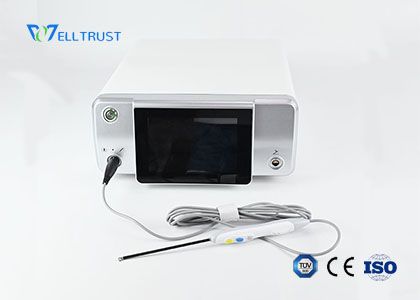
A plasma radiofrequency surgical system combines a console with compatible RF plasma electrodes to support selected soft-tissue procedures. In arthroscopy and endoscopy, the system may be used for tissue vaporization, ablation, coagulation and hemostasis, depending on the product configuration and approved indications. Ortho WTT provides a plasma radiofrequency surgical system together with disposable radiofrequency plasma surgical electrodes for professional healthcare customers.
This guide explains the main components of a plasma RF surgical system, the features to review when choosing a configuration, and how electrodes, suction and fluid management fit into the wider operating-room workflow.
A plasma radiofrequency surgical system is an energy platform designed to deliver controlled RF energy through compatible electrodes. The Ortho WTT system is described for tissue vaporization, ablation, coagulation and hemostasis during arthroscopic and endoscopic procedures. It uses controlled plasma-based bipolar radiofrequency technology and includes an LCD touchscreen console for operation and output control.
The console and electrode should be treated as a connected system. The selected electrode model, procedure, settings and accessories must match the applicable instructions for use and facility requirements. A console should not be evaluated separately from the disposable electrode and the intended surgical workflow.
The Ortho WTT system uses controlled plasma-based bipolar radiofrequency technology to deliver energy through compatible RF plasma electrodes. Bipolar energy delivery is part of the system design and should be reviewed together with the electrode model, output settings and intended application.
The console includes an LCD touchscreen for system operation and output control. A clear interface can help the operating team review settings during a procedure, although the appropriate settings remain dependent on the product instructions, electrode and clinical technique.
The published system information lists fault self-test, automatic start-stop and automatic output power adjustment functions. These features are designed to support system monitoring and controlled operation. They do not replace the user's responsibility to inspect the system, select compatible accessories and follow the instructions before use.
The system includes a wireless IP68 footswitch with a stated communication distance of up to 10 meters. Its large pedal surface is designed for foot control. Buyers should confirm the final console and footswitch configuration, communication conditions and cleaning requirements for the intended operating environment.
The electrode is the part of the system that connects the console to the planned tissue application. Ortho WTT's Disposable Radiofrequency Plasma Surgical Electrodes are described for soft-tissue cutting, ablation, coagulation and hemostasis in orthopedic and ENT surgery.
The electrode product information identifies ergonomic hand controls, radiofrequency square-wave technology and an integrated suction channel. The stated working temperature is approximately 40–70°C, and the suction channel is designed to remove intraoperative waste fluid. Multiple models are available for different procedural requirements, including shoulder, knee, spine, small-joint and ENT applications.
A plasma RF system is usually one part of a broader arthroscopy configuration. Depending on the procedure, the operating room may also need an endoscope camera system, irrigation equipment, access cannulas, shaver components and procedure-specific instruments.
Ortho WTT also provides a Disposable Medical Irrigator for adjustable irrigation flow during arthroscopy and selected endoscopic procedures. The product information lists a waterproof and airtight design, adjustable flow rate, long battery life and sound below 55 dB. These specifications should be reviewed separately from the RF system to confirm the complete fluid-management configuration.
For tissue debridement or removal tasks, the team may also review Disposable Arthroscopic Shaver Blades and Burs. A shaver blade and an RF electrode perform different functions, so the correct choice depends on the procedure, tissue application and compatible equipment.
Choosing a plasma radiofrequency surgical system only by console specifications may leave important questions unanswered. Hospitals and distributors should review the electrode range, procedure-specific configuration, suction connection, footswitch, consumables, technical documentation and after-sales support together.
Ortho WTT's product portfolio is organized around sports medicine implants, consumables, arthroscopy systems, plasma radiofrequency surgical systems, shaver systems and procedure-specific instruments. This broader structure allows purchasing teams to discuss a complete arthroscopy solution rather than an isolated energy console.
A plasma radiofrequency surgical system is a console and compatible electrode platform designed to support tissue vaporization, ablation, coagulation and hemostasis during selected arthroscopic and endoscopic procedures.
The Ortho WTT product information describes use during arthroscopic and endoscopic procedures, with compatible electrodes selected for applications such as arthroscopy, spine-related endoscopy and ENT procedures.
The product information states that the radiofrequency square-wave technology is designed for a working temperature of approximately 40–70°C.
Yes. The Ortho WTT disposable radiofrequency plasma surgical electrodes include an integrated suction channel for intraoperative waste-fluid removal.
Buyers should confirm the intended procedure, compatible electrode model, console configuration, output requirements, documentation, packaging and applicable regulatory requirements.
A plasma radiofrequency surgical system should be evaluated as a complete platform that includes the console, compatible electrodes, footswitch and procedure-specific accessories. By reviewing energy functions, electrode design, temperature information, suction, fluid management, compatibility and documentation, hospitals and distributors can create a clearer purchasing specification for arthroscopic and endoscopic applications.
Product information note: This article is provided for product education and purchasing reference. It does not replace professional surgical training, clinical judgment, the applicable instructions for use or the regulatory requirements of the relevant market.
